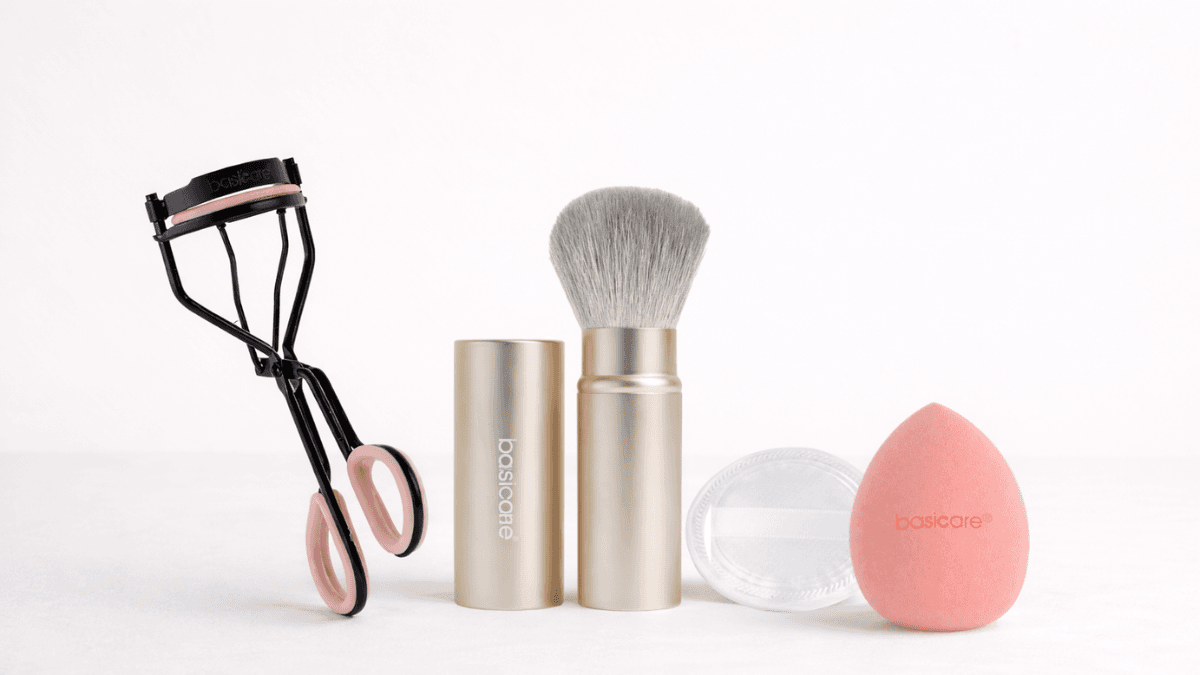
What Distributors Look for in a Beauty Tools Brand
Not every beauty tools brand is built for distribution. Some are built for direct retail, some for a single market, some for a very narrow customer.
7/27/2026

Not every beauty tools brand is built for distribution. Some are built for direct retail, some for a single market, some for a very narrow customer. Distributors who have been burned by a supplier that looked good on paper but fell apart in practice know the difference quickly.
After decades of working with distribution partners across Asia, the Middle East and Oceania, the pattern of what makes a brand work — or not work — in a distributor relationship is clear. Here is what experienced buyers consistently look for.
Range Depth That Fills a Section
A brand with twelve SKUs is hard to distribute profitably. The cost of onboarding a supplier — setting up accounts, managing logistics, training staff, building merchandising — has to be spread across enough product to justify it. Distributors want a brand that can anchor a category, not just add a few items to an existing shelf.
That means depth across sub-categories. A brand that covers tweezers, nail care, makeup tools, bath tools and men's grooming gives a distributor the ability to pitch a complete section to their retail customers, not just a handful of lines.
Consistent Product Quality
Returns and complaints are expensive. A beauty tools brand that generates customer complaints about quality — a tweezer that doesn't grip, a nail file that sheds, a brush that loses bristles — costs a distributor far more than the margin on those products. Trust in the product is non-negotiable.
Quality consistency is particularly important in markets where the distributor is establishing a brand presence for the first time. First impressions with retail buyers and end consumers shape the brand's trajectory in that market for years.
No MOQ and Flexible Order Sizes
Minimum order requirements are a genuine barrier for many distribution partners, especially those managing multiple markets or entering a new category. The ability to order what is actually needed — not what meets a supplier's minimum — is a practical advantage that experienced buyers value highly.
It also enables genuine range testing. A distributor can bring in a selection, see what sells in their specific market, and build from there rather than committing to volumes that may not move.
Support That Goes Beyond the Catalogue
The best supplier relationships involve more than product and pricing. Planogram guidance, display unit options, training materials, market-specific packaging — these things reduce the work a distributor's team has to do and improve the chances of success at retail.
basicare provides display solutions, supports distributors with merchandising guidance and has the range depth to fill shelves across every major personal care sub-category. If you are evaluating beauty tools brands for your distribution network, we are worth the conversation.